
How Candle Practice Works
WickCanvas focuses on repeatable candle-making habits: measure carefully, control heat, center the wick, pour steadily, and use the finished candle as feedback for the next batch.
Measure Before Melting
Wax and fragrance are weighed instead of estimated by eye, giving each small batch a clearer starting point.
Watch The Temperature
A thermometer helps connect melting and pour temperature with how the wax behaves during preparation and cooling.
Center The Wick
Wick placement is practiced before pouring so the wick is easier to
keep straight while the candle
sets.
Observe The Result
Cooling marks, tunneling, soot, flame height, and melt pool development become useful clues rather than unexplained flaws.
Practice With Small, Comparable Batches
Repeating a simple container candle while changing only one detail makes it easier to see what wick size, fragrance amount, temperature, or pouring technique actually changed.
Four Parts Of The Approach
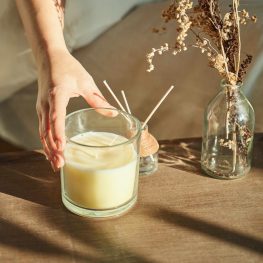
Prepare The Setup
Arrange the scale, thermometer, pouring pitcher, wick, and candle-safe container before working with hot wax.
Control The Pour
Work with ingredients and a pour instead of rushing through temperature changes or filling the jar too quickly.
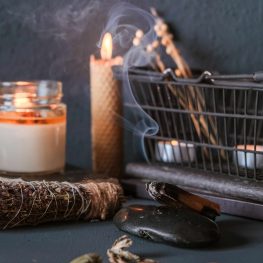
Let Wax Settle
Leave the fresh candle undisturbed while it cools, then inspect the wick position, and visible wax changes.
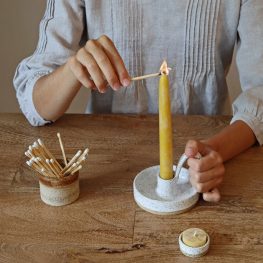
Check The Burn
Trim the wick and observe flame height, soot, tunneling, and melt pool behavior to gather feedback for another test.
PRACTICE PRINCIPLES
A More Useful Way To Learn Candle Making
Change One Detail
Changing wick size, fragrance amount, wax, and pour temperature together makes results difficult to interpret. Small changes give each candle a purpose.
Record What Happened
Brief batch notes can include wax weight, wick choice, fragrance amount, temperature, surface appearance, and burn behavior so later candles can be compared rather than guessed.
Use Imperfections As Feedback
A sinkhole, shifted wick, rough surface, or narrow melt pool can point toward a specific part of the process that deserves another careful test.
Keep Safety In The Process
Hot wax, heated equipment, and an open flame require a stable workspace and attentive handling. Safety is treated as part of normal candle-making technique, not an extra step.